
Call for a free private consultation (303) 773-6102
Call for a free private consultation (303) 773-6102
What We Do -
High Country Inspectors provides:
Property Condition Assessments - (PCA)
Additional Services:
Thermal Imaging
Moisture is the number one cause of damage in residential homes. Thermal imaging can identify excessively high moisture levels inside of interior walls. Usually exterior windows and door seals are the primary suspects.
Air Quality / Moisture Issues
We approach every inspection with a commercial mindset — thorough documentation, clear reporting, and objective findings that support confident decision-making.
Drone Surveys
We can survey large areas of property. Perimeter fencing, Arena's, Barns, Etc.



A Property Condition Assessment (PCA) goes beyond a traditional home inspection by providing a more comprehensive evaluation of a property's overall condition, long-term performance, and anticipated capital needs. While a typical home inspection is primarily designed to identify visible defects for a residential buyer, a PCA is intended to support informed real estate investment decisions for commercial properties and portfolios. Our assessments follow ASTM standards and include a detailed review of the building structure, roofing systems, exterior envelope, HVAC, electrical, plumbing, fire and life safety systems, accessibility, site improvements, and deferred maintenance. We also provide estimated remaining useful life, probable replacement costs, and projected capital expenditures, giving owners, investors, lenders, and property managers the information they need to budget effectively and reduce financial risk. Whether you're acquiring a single commercial building or evaluating an entire portfolio, a Property Condition Assessment delivers a deeper level of analysis than a conventional home inspection and provides the data necessary for confident investment decisions.
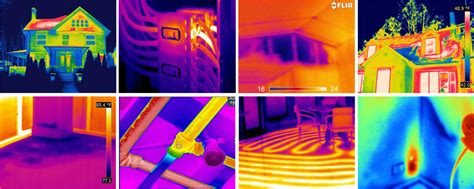
Uses for Thermal Imaging for Residential Homes
Not every problem can be seen with the naked eye. Thermal imaging allows High Country Inspectors to identify hidden conditions that may otherwise go undetected during a standard visual inspection. Using advanced infrared technology, we can locate temperature differences that may indicate moisture intrusion, missing or damaged insulation, air leaks, electrical hot spots, HVAC performance issues, and concealed building defects. Thermal imaging is a powerful, non-invasive diagnostic tool that helps verify building performance and identify potential concerns before they become costly repairs. Every thermal anomaly is evaluated in conjunction with our visual inspection and, when appropriate, verified with moisture meters or other diagnostic equipment to ensure accurate, reliable results. Whether you're purchasing a home, evaluating a commercial property, or investigating a specific concern, thermal imaging provides an added level of confidence and insight into the condition of your investment.
The Residential Home Thermal Envelope:
Ceiling and Roofing Moisture
Moisture intrusion from roof leaks from skylight sources can also affect the interior ceilings. Thermal imaging can identify excessively high moisture levels in ceiling materials.
The source of moisture can also come from air conditioning systems and high efficient furnaces that expel condensation. appeared to be leakage from radiant heating tubing.
Wall Moisture
Thermal imaging can identify excessively high moisture levels inside of interior walls. Usually exterior windows and door seals are the primary suspects. Condensation can also happen when furniture like beds and dressers are in direct contact (pushed-up against) the drywall (interior wall material).
Windows and Doors
Exterior windows, doors and skylights can be a continuing source of headaches if repairs are deferred or improperly repaired. Window and door seals such as flashings can fail without warning. Moisture intrusion can be devastating and sometimes hard to identify. Thermal Imaging can quickly and efficiently identify these areas.
HVAC (Heating Venting Air Conditioning)
HVAC systems can be a continual source of moisture intrusion. Air conditioning systems produce condensation that must be properly discharged to the exterior. High efficient forced-air furnaces also produce condensation. This too should be monitored for proper discharge of moisture to the exterior.
Foundation Moisture
High foundation moisture levels can contribute to a host of issues. None the least is structural damage. Thermal imaging can indicate excessively high moisture levels in foundation walls. Sources can be in the form improper grading (ground slopes toward the house). Landscaping, sprinkler systems hitting the house.
Electrical
Thermal imaging can identify excessively high temperatures in the electrical panels. This is a dangerous condition. Identifying these conditions can avert several issues such as house fires and equipment or appliance failure.

Moisture problems can quickly lead to mold growth, potentially affecting both the condition of a property and the health of its occupants. As an ACAC Certified Residential Mold Inspector (CRMI), High Country Inspectors provides professional mold inspections to identify conditions conducive to mold growth, locate sources of unwanted moisture, and evaluate areas of concern throughout the property. Our inspections include a thorough visual assessment, moisture detection using advanced meters, thermal imaging to identify hidden moisture intrusion, and recommendations for corrective action. Whether you're buying a home, investigating a water intrusion event, or addressing indoor air quality concerns, our objective, science-based inspections provide the information you need to make informed decisions and protect your investment.
We need your consent to load the translations
We use a third-party service to translate the website content that may collect data about your activity. Please review the details in the privacy policy and accept the service to view the translations.